
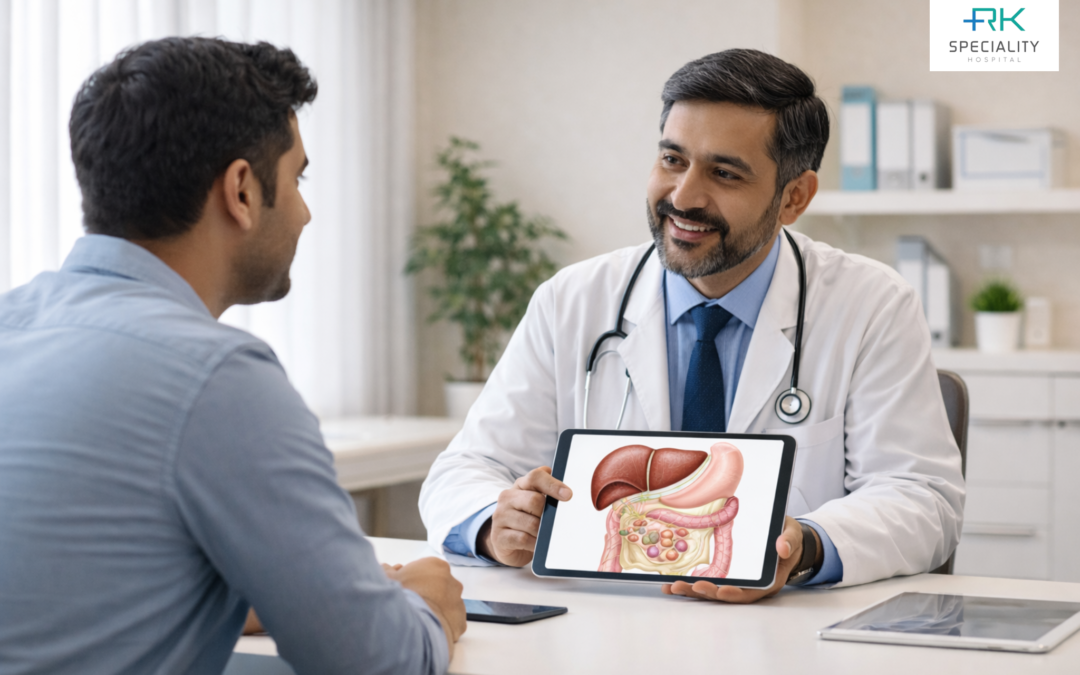
Gallbladder stones, also known as gallstones, are a common digestive problem in adults. Some people may have gallstones without experiencing any pain or digestive problems, while others may experience severe pain and digestive symptoms that require medical attention. Early recognition of symptoms and prompt treatment can help prevent complications and improve treatment outcomes.
Understanding the causes, symptoms, and treatment options can help patients make informed decisions about their health and understand when medical or surgical treatment may be necessary.
What Are Gallbladder Stones?
The gallbladder is a small organ located below the liver that stores bile, a digestive fluid that helps the body digest fats. Gallstones form when certain components of bile, such as cholesterol or bilirubin, become concentrated and harden into deposits.
Gallstones can vary in size, ranging from tiny particles to larger stones that may block the bile ducts and cause complications.
Common Symptoms of Gallbladder Stones
Some people with gallstones may not experience any symptoms. However, when gallstones block the bile ducts, they can cause significant pain and digestive problems.
Common symptoms include:
- Sudden pain in the upper right side of the abdomen.
- Pain that may radiate to the right shoulder or back.
- Nausea and vomiting, particularly after meals.
- Bloating or a feeling of fullness.
- Indigestion or abdominal discomfort.
- Pain that may worsen after eating fatty foods.
Gallbladder pain can occur suddenly and may last from several minutes to a few hours. Persistent or severe abdominal pain should not be ignored, as it may indicate a blockage, inflammation, or infection requiring prompt medical attention.
Causes and Risk Factors
Several lifestyle and health-related factors can increase the risk of developing gallstones. Understanding these risk factors can help individuals take appropriate preventive measures.
Common risk factors include:
- A diet high in saturated fat and cholesterol.
- Obesity or rapid weight loss.
- Diabetes and other metabolic conditions.
- A family history of gallstones.
- Hormonal changes, particularly during pregnancy.
- A sedentary lifestyle.
- Certain medications or medical conditions.
Maintaining a balanced diet, engaging in regular physical activity, and maintaining a healthy weight may help reduce the risk of developing gallstones.
Diagnosis of Gallstones
Doctors diagnose gallstones using a combination of physical examination, medical history, blood tests, and imaging studies.
Ultrasound is one of the most commonly used imaging tests for detecting gallstones. In some cases, doctors may recommend additional blood tests or advanced imaging studies to identify complications or determine whether the bile ducts are blocked.
Early diagnosis allows doctors to determine the appropriate treatment and prevent the condition from progressing to complications.
Treatment of Gallstones
Treatment depends on the patient’s symptoms, the size and location of the stones, and whether complications are present.
People who have gallstones but no symptoms may not require immediate treatment and may be monitored by their healthcare provider.
When gallstones cause frequent or severe symptoms or lead to complications, medical or surgical treatment may be recommended.
Treatment options may include:
- Medications: Certain medicines may help dissolve small cholesterol stones in selected patients, although this treatment is not suitable for everyone.
- Dietary changes: A balanced, low-fat diet may help reduce symptoms in some patients.
- Laparoscopic gallbladder surgery: Surgical removal of the gallbladder, known as cholecystectomy, is the most common treatment for symptomatic gallstones.
Laparoscopic cholecystectomy is a minimally invasive procedure performed through small incisions. It generally results in less postoperative pain, smaller scars, and a faster recovery compared with traditional open surgery.
When Is Gallbladder Surgery Necessary?
Gallbladder surgery is generally recommended when gallstones cause frequent or severe symptoms or lead to complications such as inflammation, infection, or blockage of the bile ducts.
Delaying treatment in patients with significant symptoms or complications may increase the risk of more serious problems and emergency treatment.
The surgical removal of the gallbladder is called a cholecystectomy. It is a commonly performed procedure and is generally considered safe when performed by a qualified surgical team.
With modern minimally invasive techniques, surgeons can remove the gallbladder through small incisions, resulting in less postoperative discomfort and faster recovery compared with open surgery in many patients.
Life After Gallbladder Removal Surgery
Recovery time varies depending on the patient’s overall health and the type of procedure performed.
Patients who undergo laparoscopic gallbladder surgery can often return home within a short period and gradually resume normal daily activities as advised by their surgeon.
General recovery recommendations may include:
- Avoiding heavy lifting for several weeks or as advised by the surgeon.
- Starting with a light, balanced diet and gradually returning to a regular diet as tolerated.
- Taking prescribed medications as directed.
- Attending scheduled follow-up appointments.
- Following all postoperative instructions provided by the surgical team.
Following your surgeon’s postoperative instructions carefully can support proper healing and reduce the risk of complications.
When Should You See a Healthcare Professional?
Persistent abdominal pain, recurrent digestive discomfort, nausea after meals, or other unexplained symptoms should be evaluated by a healthcare professional.
Seek immediate medical attention if you experience severe or persistent abdominal pain, fever, repeated vomiting, yellowing of the skin or eyes, or other concerning symptoms.
Early diagnosis allows doctors to identify gallstones and determine the appropriate treatment before complications develop.
With timely diagnosis and treatment, the risk of emergency complications can be reduced and treatment outcomes improved.
Book a Specialist Appointment Now
Conclusion
Gallbladder stones are a common but treatable medical condition. Recognizing the symptoms, understanding the risk factors, and seeking timely medical attention are important for preventing complications.
When surgery is necessary, minimally invasive procedures such as laparoscopic cholecystectomy can provide effective treatment with less postoperative discomfort and a relatively faster recovery for many patients.
If you experience recurrent abdominal pain, digestive discomfort, nausea, or other symptoms that may be related to gallstones, consult a qualified general surgeon for proper evaluation and treatment. Early medical care can help you receive the right treatment and return to your normal routine safely. Feel free to Call Us for expert assistance.