
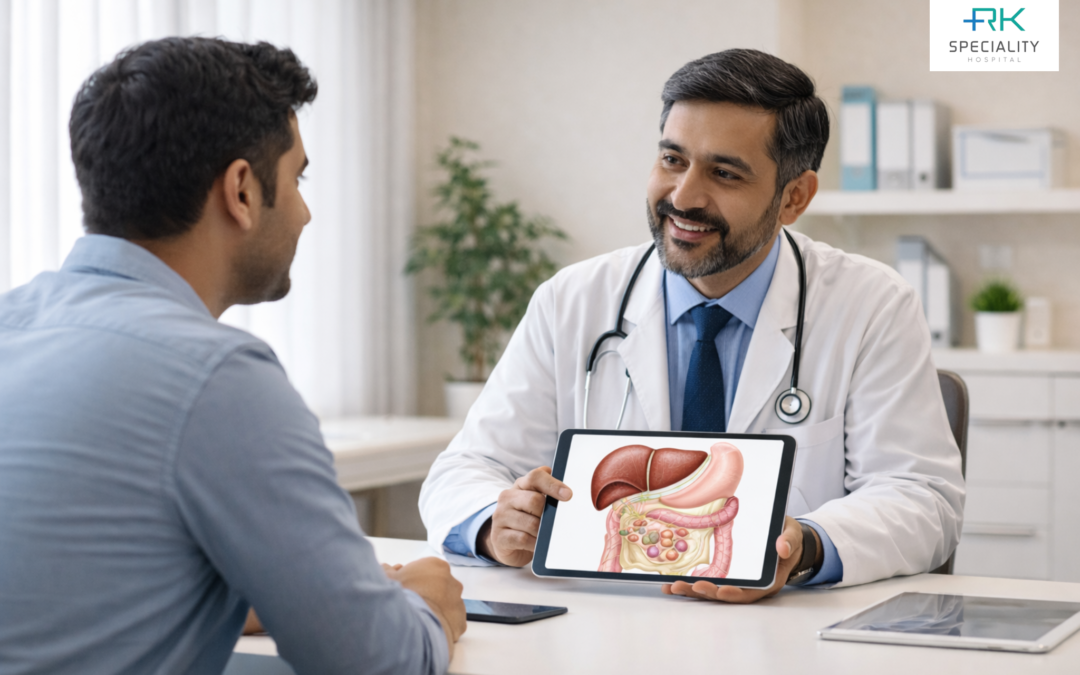
Gallstones, also known as gallbladder stones, are a common digestive illness among most adults in the contemporary world. Although some people can apparently live long without any apparent pain and stomach issues, others can endure extreme pain and digestive problems that necessitate medical care. Early detection of symptoms of gallbladder stones and prompt treatment can help avoid complications and make the process of their elimination more successful.
Knowledge about causes, signs, and treatment options available will enable patients to make autonomous choices concerning their health and when such a degree of intervention (surgical) is required.
What Are Gallbladder Stones?
The gallbladder is a small organ located below the liver that stores bile, a digestive fluid that helps break down fats. Gallstones form when certain components of bile, such as cholesterol and bilirubin, concentrate and harden into deposits. These stones vary in size, ranging from tiny grains to larger stones that can obstruct the bile ducts.
Symptoms of a common Gallbladder Stone.
When patients feel uncomfortable without knowing the cause, many of them start browsing the internet with the hope of knowing the cause of the discomfort. The ability to identify the symptoms of gallbladder stones in the initial stages makes it possible to diagnose and treat them on time. Common symptoms include:
- Abdominal pain in the right upper area, sudden.
- Radiation to the right shoulder or the back.
- Vomiting and nausea due to food.
- Stomach complications, bloating or fullness.
- Suffering from pain is enhanced upon intake of fatty foods.
These effects are so sudden, and they can last between a few minutes and a few hours. There should be no more persistent or severe pain ignored, and that is because it can lead to a blockage or inflammation that needs emergency treatment.
Causes and Risk Factors
There are also a few lifestyle factors and health factors that lead to a high chance of getting gallstones. The knowledge of these risk factors can guide people to take preventive health measures.
Common risk factors include:
- Eating too much Christian fat or cholesterol.
- Obesity or rapid weight loss
- Diabetes and metabolic diseases.
- History of gallstones in the family.
- Random changes in hormones, particularly in pregnancy.
- Sedentary lifestyle
Eating a balanced diet, performing regular physical activities, and occasionally performing health check-ups would go a long way in helping to minimize the risk of getting gallstones.
Diagnosis of Gallstones
Doctors diagnose gallstones through physical examination and radiographic tests. Ultrasound scanning remains the most widely used and reliable method for detecting stones in the gallbladder. In some cases, doctors may recommend additional tests, including blood investigations or advanced imaging, to identify complications or blockage in the bile ducts.
Early diagnosis helps doctors provide the most appropriate treatment before the condition progresses.
Therapy of Gallstones in the bladder.
The severity of the symptoms and the size or number of stones determine the treatment. Patients who do not have any notable discomfort can first be recommended lifestyle changes and regular examinations. Nonetheless, in case of frequent pain or complication, medical or surgical intervention might be necessary.
Typical modes of treatment would consist of:
- Drugs that can disintegrate tiny cholesterol stones (under special circumstances)
- Changes in the diet to ease the symptoms.
- Gallbladder surgery (laparoscopic surgery) is a minimally invasive surgery.
The laparoscopic removal of the gallbladder is the most common recommendation among these, in case symptoms do not dissipate or in case complications do occur.
Surgery- Are Gallbladder Surgeries ever necessary?
The surgery is normally prescribed when the symptoms of the gallbladder stones are frequent, severe or cause any complications like infection, inflammation or obstruction of the bile duct. Procrastination of surgery in symptomatic cases may lead to emergency cases that need immediate attention.
The surgery of removing the gallbladder, or the cholecystectomy, is the type of surgery that is safe and most of the time performed. In contemporary, least invasive surgeries, a surgeon is able to extract the gallbladder using small cuts, and hence the procedures result in less post-surgery pain and faster recuperation as opposed to open surgery.
One of the most frequently asked questions among patients regarding digestion after the removal of the gallbladder is whether the process may cause adaptation to the body, and most of them resume their usual dietary habits in a relatively long period.
Life after Gallbladder Removal Surgery.
The time to recover is different based on the general condition of the patient’s health, as well as the procedure applied. It takes most patients who undergo laparoscopic surgery to get home in one or two days and slowly resume normal daily tasks in one week.
General recovery instructions are:
- Heavy lifting should be avoided for a period of weeks.
- The first thing is to consume a light and balanced diet.
- Timely intake of prescribed medications.
- Follow-up consultations are scheduled and attended.
Adherence to the instructions of the surgeon postoperatively leads to a quality healing process and reduces the chances of physical complications.
When to See a Health Care Professional?
The medical concerns that include manual pain that is persistent in the abdomen, digestive pain, or recurrent nausea following meals are examples of reasons to consult a doctor.
The early diagnosis enables the doctors to detect the symptoms of gallbladder stones and embark on proper management before the problems develop.
In good time diagnosis, the emergency surgery is less likely to occur, and treatment results are better as well. Book Specialist Appointment Now
Conclusion
Gallbladder stones are an ordinary but controllable medical problem in the case of early diagnosis and treatment. Learning the reasons, recognizing symptoms and seeking health treatment in time are important factors in avoiding complications. Minimally invasive surgery has been enhanced, making treatments less life-threatening, more comfortable, and linked to speedy recovery.
In case you have repeated pains in your abdomen or feel rather uncomfortable in your stomach, you may visit a qualified general surgeon so that he/she may give you the correct diagnosis and cure, at the right time and at the right place, so that you will be able to resume your normal life without complications.